



In 2018, the most widely-recycled plastic material was low-density polyethylene (LDPE), such as shopping bags. Polyethylene terephthalate (PET) beverage bottles were the second most-recycled type of plastic. High-density polyethylene (HDPE), such as milk bottles and crates, were also widely processed. Polypropylene (PP) and polyvinyl chloride (PVC) plastics recycling also showed steady growth during 2018. Despite these incredible statistics, there will always be room for improvement.
Plastic littering and illegal dumping remain the two biggest contributors to environmental pollution in the most areas. Whilst the steady improvement shown by the plastics recycling industry is a positive sign and a step in the right direction, South Africans need to start engaging in responsible waste disposal practices in order to protect the environment and further boost recycling rates. It is precisely these trends and percentages which Thinavhuuo is using as its guide and target in its day to day recycling activities and programmes
Categories of plastics currently recycled by the Company
• Polyethylene Terephthalate (PET)
Polyethylene Terephthalate is high in strength, recyclability, energy-efficient; and its environmental impact is less when compared with aluminium, glass, and other packaging materials. What makes PET so sustainable is that it is indefinitely recyclable. This means that a PET water bottle recycled today could potentially be used as a water bottle for generations to come. Additionally, PET material packaging contributes to 70% less greenhouse gas emissions compared to aluminium cans and glass. PET is a favourable water bottle container because it won't degrade or be leached into the water itself.
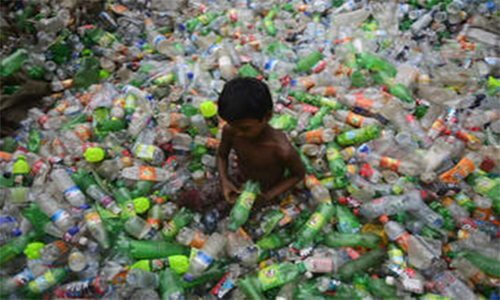
An assortment of PET in readiness for sorting and baling
The PET market is expected to grow due to factors such as expanding population, rapid urbanization, and changing lifestyles which have increased the consumption of packed food products. The rising cost of living and growth in the number of working women, especially in previously underdeveloped areas will increase the preference for convenience foods. The increase in demand from the textile industry and the growth of the packing and automotive industries will further boost the PET market growth. Since PET is light in weight, it can thus accommodate a great number of products in less packaging space. This reduces transportation costs and fuel consumption in the supply chain.
• Polypropylene (PP)
Polypropylene is used in a variety of applications to include packaging for consumer products, plastic parts for various industries including the mining and automotive industries, special devices like living hinges, and textiles.
Some of the most significant properties of polypropylene are:
- Chemical Resistance: Diluted bases and acids don’t react readily with polypropylene, which makes it a good choice for containers of liquids, such as cleaning agents and more.
- Elasticity and Toughness: Polypropylene will act with elasticity over a certain range of deflection, but it will also experience plastic deformation early on in the deformation process, so it is generally considered a "tough" material.
- Fatigue Resistance: Polypropylene retains its shape after a lot of bending, or flexing. This property is especially valuable for making living hinges.
- Insulation: Polypropylene has a very high resistance to electricity and is very useful for electronic components.
- Transmissivity: Although Polypropylene can be made transparent, it is normally produced to be naturally opaque in colour. Polypropylene can be used for applications where some transfer of light is important or where it is of aesthetic value.
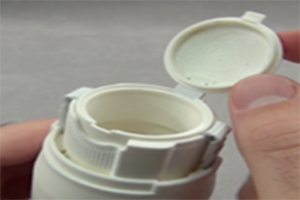
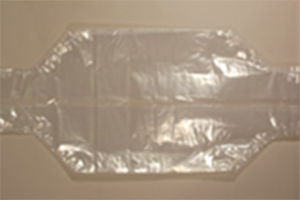
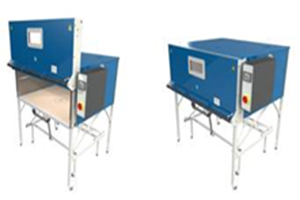
Sample of the products made from Polypropylene material
Polypropylene is used in both household and industrial applications. Its unique properties and ability to adapt to various fabrication techniques make it stand out as an invaluable material for a wide range of uses. Another invaluable characteristic is polypropylene’s ability to function as both a plastic material and as a fibre.
• Polystyrene (PS)
Polystyrene is a versatile plastic used to make a wide variety of consumer products. As a hard, solid plastic, it is often used in products that require clarity, such as food packaging and laboratory ware. When combined with various colorants, additives or other plastics, polystyrene is used to make appliances, electronics, automobile parts, toys, gardening pots and equipment and more.
Polystyrene also is made into a foam material, called expanded polystyrene (EPS) or extruded polystyrene (XPS), which is valued for its insulating and cushioning properties. Foam polystyrene can be more than 95% air and is widely used to make home and appliance insulation, lightweight protective packaging, foodservice and food packaging, automobile parts, roadway and road bank stabilization systems and more.
Refrigerators, air conditioners, ovens, microwaves, vacuum cleaners, blenders – these and other appliances often are made with polystyrene (solid and foam) because it is inert (doesn’t react with other materials), cost-effective and long-lasting. The solid and foam Polystyrene is used to make many car parts, including knobs, instrument panels, trim, energy absorbing door panels, sound dampening foam and child protective seats.
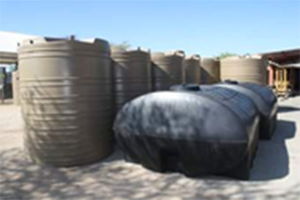
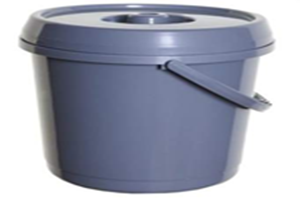
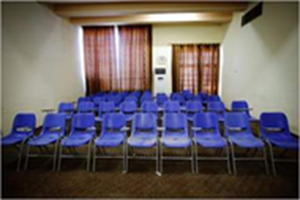
Sample of the products made from recycled Polystyrene (PS)
• High-Density Polypropylene (HDPE)
The case for switching from traditional steel to HDPE (high-density polyethylene) for the manufacture of conveyor guards is not just confined to better safety. There are significant environmental sustainability advantages and reduced maintenance costs as well. So it’s no surprise that HDPE is fast replacing steel at many mine sites.
Never before has there been such interest in embracing the latest technology to improve safety, productivity and a reduction in the environmental footprint when procuring much of the equipment and machinery needed to enable mine sites, mineral processing plants and bulk materials handling facilities worldwide to operate. There is perhaps no better example than the key mainstay of all such facilities – the conveyor system. Steel has been the material of choice for decades for most of the conveyor’s structure simply because there has been no better alternative. But now there is. HDPE is changing the way many of these products are manufactured.
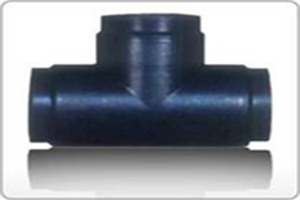
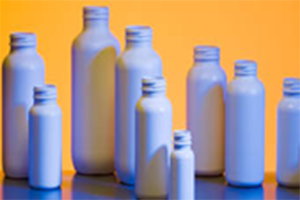
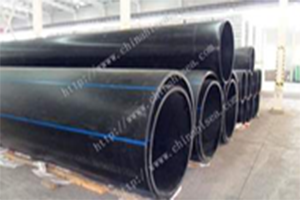
Typical products made from recycled High-Density Polypropylene
• Low-Density Polypropylene (LDPE)
Softer, more flexible, and with a lower melting point than its cousin HDPE, LDPE makes an ideal material for handling.